Blog
Teak vs Laminated vs WPC: How to Choose the Right Door for Every Room

Most homeowners are surprised to learn that a single “door material” for the whole house is rarely the right call. A front door, a bedroom door, and a bathroom door each deal with completely different demands — security and weather on one side, budget and style on another, constant moisture on a third. Here’s a practical breakdown of the five door materials we work with most, and where each one earns its keep.
Solid Teak Wood — for the main entrance
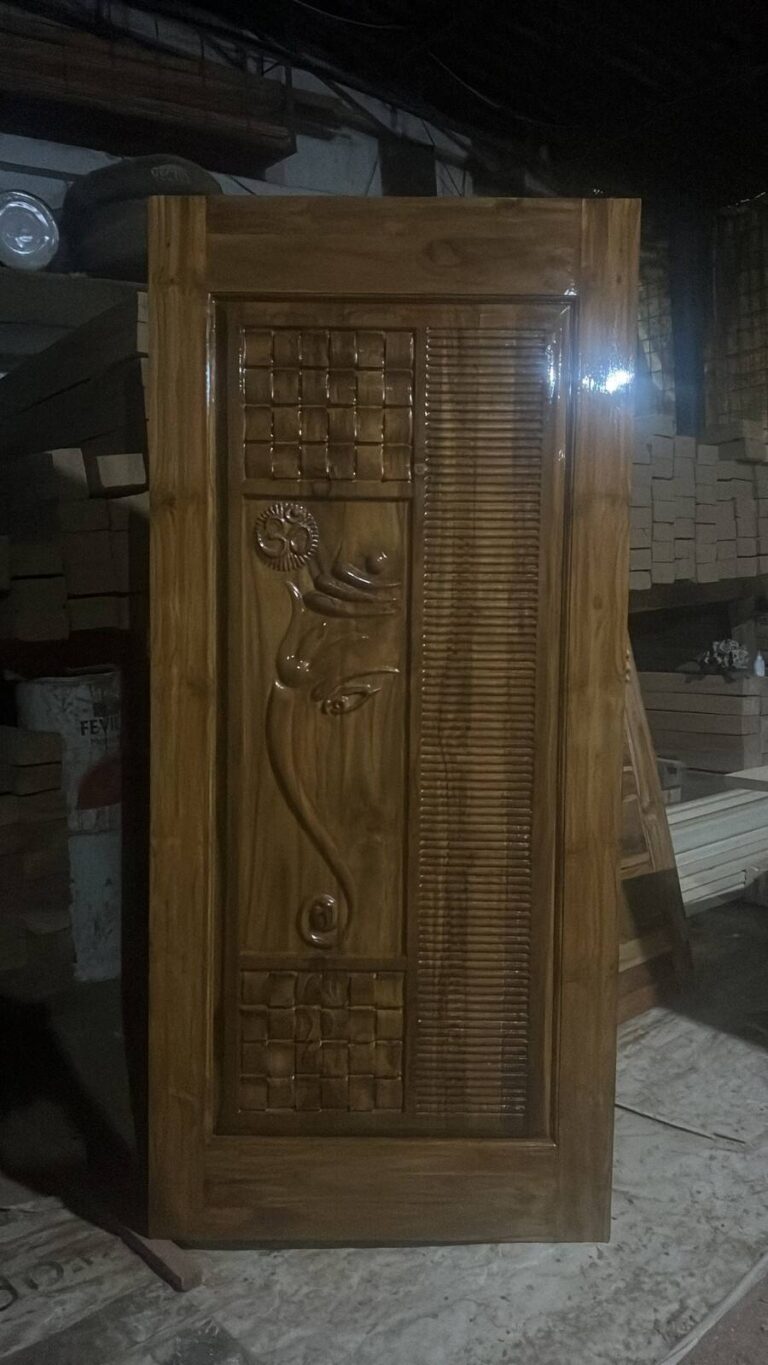
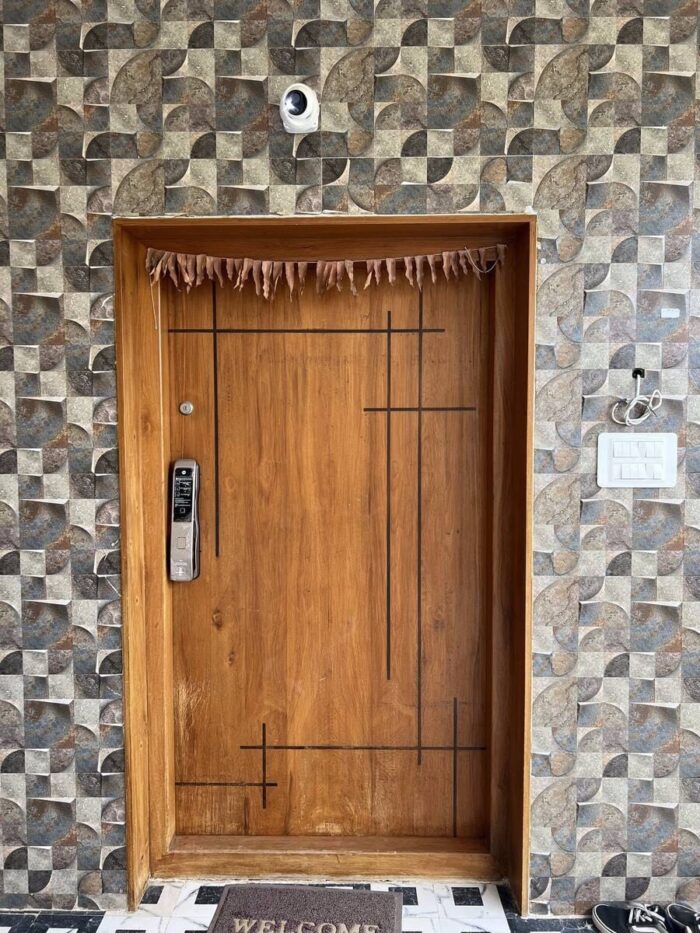
Teak is the traditional choice for a reason: it’s dense, naturally resistant to moisture and pests, and the grain only gets more distinctive with age. It’s the material we recommend for a main or front door — the one door that takes the most daily use and the most weather exposure, and where a solid, substantial feel actually matters. It costs more than the alternatives below, but a well-maintained teak door easily outlasts every other material on this list.
Laminated Doors — for interior and bedroom doors
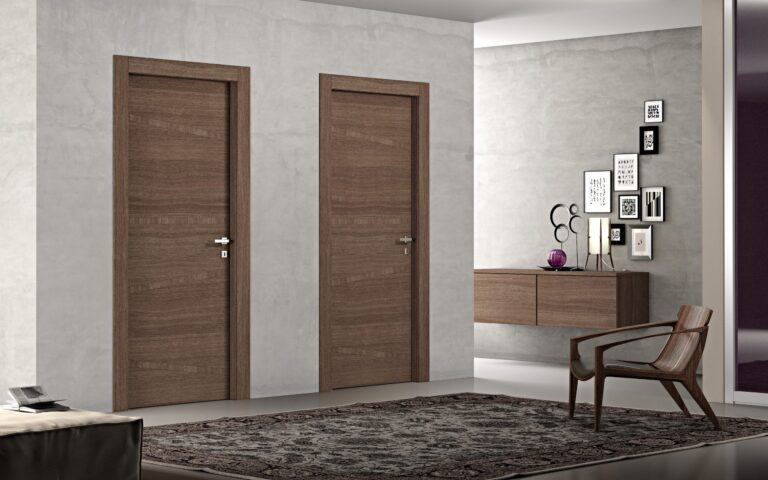
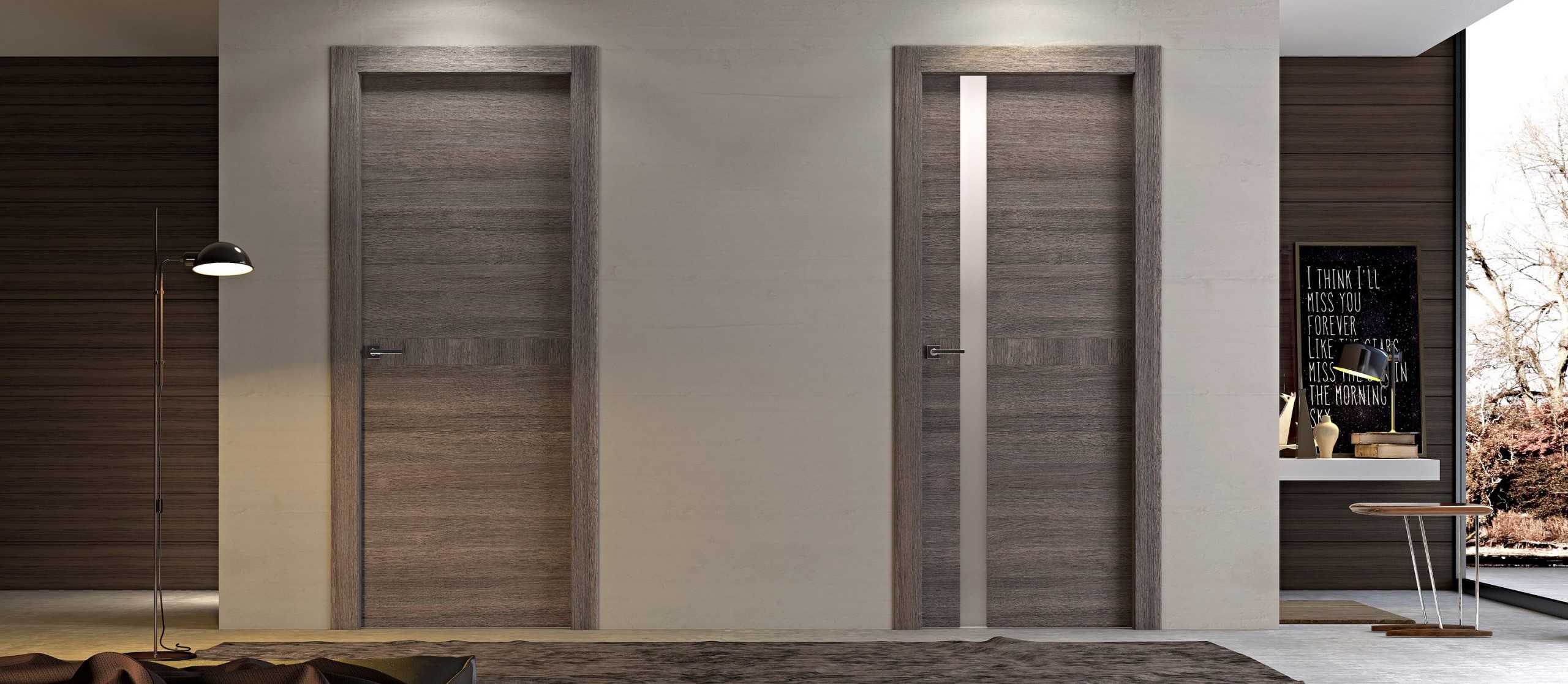
Laminated doors give you a huge range of finishes — wood-grain textures, matte or gloss colours, contemporary patterns — at a fraction of solid wood pricing. They’re a strong fit for interior doors: bedrooms, studies, storerooms, anywhere the door isn’t facing direct weather. The laminate surface also resists everyday scuffs better than a painted finish.
Veneer Doors — for a real-wood look on a tighter budget
A veneer door is a core covered in a thin layer of genuine wood, so you get an authentic wood grain and finish without paying for a solid wood door all the way through. It sits between laminated and solid teak on both looks and price — a good option when you want the character of natural wood in a living room or hallway door without the full teak budget.
Primer-Coated Doors — for a custom paint colour
If you already know you want to paint a door to match a specific interior colour scheme, a primer-coated door saves you a step — it arrives ready for your painter, with no additional priming or sanding needed. It’s a popular choice for kids’ rooms and accent doors where colour matters more than wood grain.
WPC Doors & Frames — for bathrooms and wet areas
Wood-Plastic Composite (WPC) is the one material on this list built specifically to handle constant moisture. Unlike solid wood or laminate, WPC doesn’t swell, warp, or invite termites when it’s wet day after day — which is exactly why we recommend it for bathroom doors and frames, and it’s part of why we offer it as its own category rather than a variant of a wood door.
A simple way to decide
If you’re planning doors for a full home, a workable rule of thumb is: teak for the main entrance, WPC for bathrooms, and laminated, veneer, or primer-coated for everything else depending on your budget and whether you want a wood-grain look, a painted colour, or the most economical option available.
Every door on our site has an instant price calculator built around your exact size and finish, so you can compare real costs across materials before deciding. If your requirement doesn’t fit a standard size, get a quote and we’ll work it out with you directly.